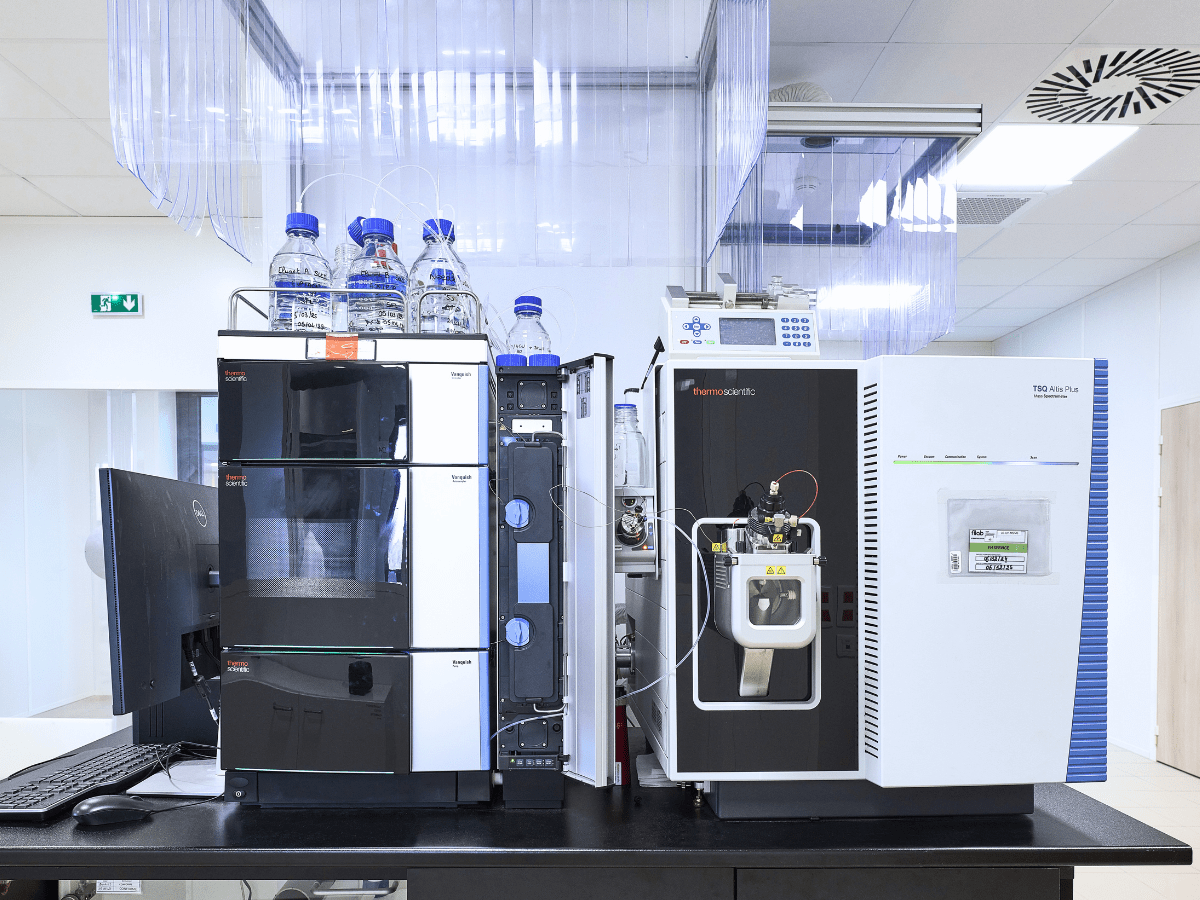
In the biopharmaceutical industry, accurate protein characterization and protein sequencing are pivotal throughout the development lifecycle—from R&D to product release. At FILAB, we combine a 5,200 m² accredited facility, complete in-house services (99%), and unmatched expertise to support your quality assurance and regulatory goals.
Your need: to carry out protein characterization
What is a protein?
A protein is a macromolecule made up of amino acids, essential to biological processes and key to biopharmaceutical development.
In the biopharmaceutical industry, protein characterization is used to understand the structure, function and purity of proteins, parameters that are key to guaranteeing the safety and efficacy of innovative treatments.
It also plays a fundamental role in the characterization of recombinant proteins and the development of biomedicines.
Why protein characterization and sequencing matters in biopharma
- Therapeutic integrity: ensures full primary sequence of monoclonal antibodies, therapeutic enzymes, ADCs, and biosimilars.
- Quality control & safety: detects sequence variations, and process-related impurities that can impact efficacy or trigger immunogenicity.
- Regulatory Compliance: delivers data aligned with ICH Q6B & FDA expectations for biologic characterization.
FILAB uses cutting-edge technologies for the characterization of protein
Why choose FILAB for protein characterization?
For more than 30 years, the FILAB laboratory has had the experience and specific analytical equipment to support manufacturers in protein characterization today.
The support of an expert laboratory such as FILAB enables you to better understand the strategic challenges and changes in your sector. Our specialised engineers will support you throughout your protein analysis protocol.
Protein characterization methods
FILAB’s protein sequencing & characterization capabilities
- LC-MS/MS (MS/MS spectrometry): High-resolution mass spectrometry (e.g., LC-Orbitrap) coupled with HPLC for precise amino acid sequencing and PTM mapping.
- Enzymatic cleavage & peptide mapping: Fragmentation of proteins (e.g. trypsin digestion), followed by mapping to confirm sequence and detect modifications.
- De novo sequencing: Enables identification of unknown or novel proteins, independent of existing databases—crucial for bioconjugates, biomarkers, and innovations.
- Sequence alignment & comparison: Verify therapeutic protein integrity, confirm identity post-expression (e.g., CHO-derived recombinant proteins), and compare similarity for biosimilar development.
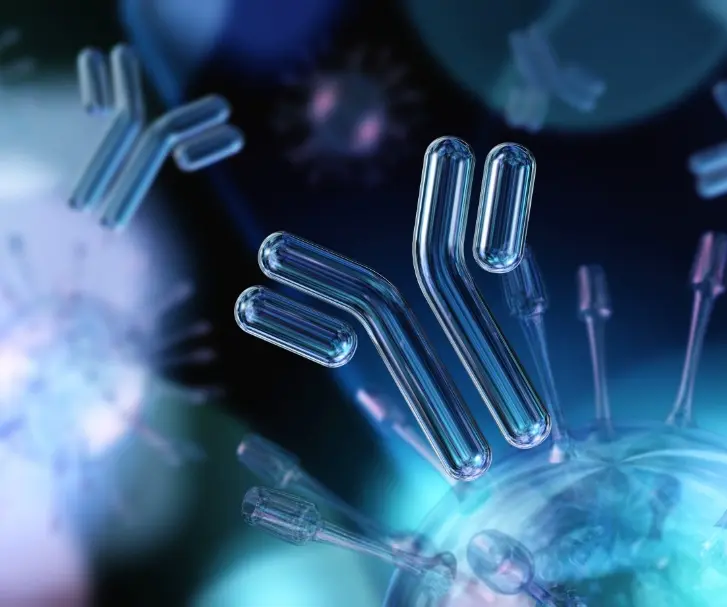
- Formulated solutions & sera: ideal for monoclonal antibodies, therapeutic glycoproteins, and final drug substances.
- Cell culture media (e.g., CHO systems): verify sequence integrity, detect contaminants, and validate purification steps.
- Complex biomatrices: includes plant extracts, biomarker-rich fluids, or diagnostic samples.
Applications across the biopharma value chain
FILAB’s key differentiators
COFRAC ISO 17025 accreditation: recognized quality in every analytical step.
Advanced Analytical Infrastructure: High-resolution LC-MS/MS platforms, curated enzymatic protocols, and dedicated bioinformatics pipelines for de novo assembly.
In-house end-to-end expertise: 99% of work done internally, ensuring data integrity, rapid turnarounds, and confidentiality.
Multidisciplinary team: over 130 skilled scientists and engineers delivering tailored analytical workflows.
FAQ
Protein sequencing determines the exact amino acid order, often via MS/MS. Peptide mapping confirms the sequence through fragmented peptides to detect PTMs and validate integrity.
It allows identification of protein sequences without reference to a database—essential for novel biologics, bioconjugates, or unknown contaminants.
All methods are developed and validated to meet ICH Q6B and FDA requirements. Data packages are structured to support regulatory filings.
We cover a wide scope: recombinant proteins, mAbs, enzymes, glycoproteins, ADCs, peptides, nanobodies.