Why NADCAP accreditation is essential for aerospace materials analysis

A level of requirement unmatched in aeronautics In the aerospace industry, there is no room for error. Every material, every treatment, every assembly must meet extremely stringent requirements in terms of safety, performance, and traceability. It is in this context that NADCAP (National Aerospace and Defense Contractors Accreditation Program) accreditation for Materials Testing Laboratories comes […]

Why NADCAP accreditation is essential for aerospace materials analysis Read More »

What is Residual DNA?

In the biopharmaceutical industry, the transition from the cell culture stage to the final injectable product is a complex journey where purity is the watchword. While biomedicines (antibodies, vaccines, gene therapies) are revolutionizing treatments, they also impose unprecedented analytical challenges. Patient safety relies on the near-total elimination of host cell components. Among these process impurities,

What is Residual DNA? Read More »

caractérisation céramique

Mechanical testing: determination of toughness by the SEVNB method | ISO 23146

In many industries (aerospace, defense, energy, medical devices, and electronics), ceramic and brittle materials are used for their exceptional performance. But one key question remains: how do we measure their resistance to fissure propagation? This is precisely the objective of fracture toughness determination. Among the recognized methods, the SEVNB method is now a benchmark for

Mechanical testing: determination of toughness by the SEVNB method | ISO 23146 Read More »

analyse protéines

ADC Analysis: key questions & answers from FILAB Laboratory

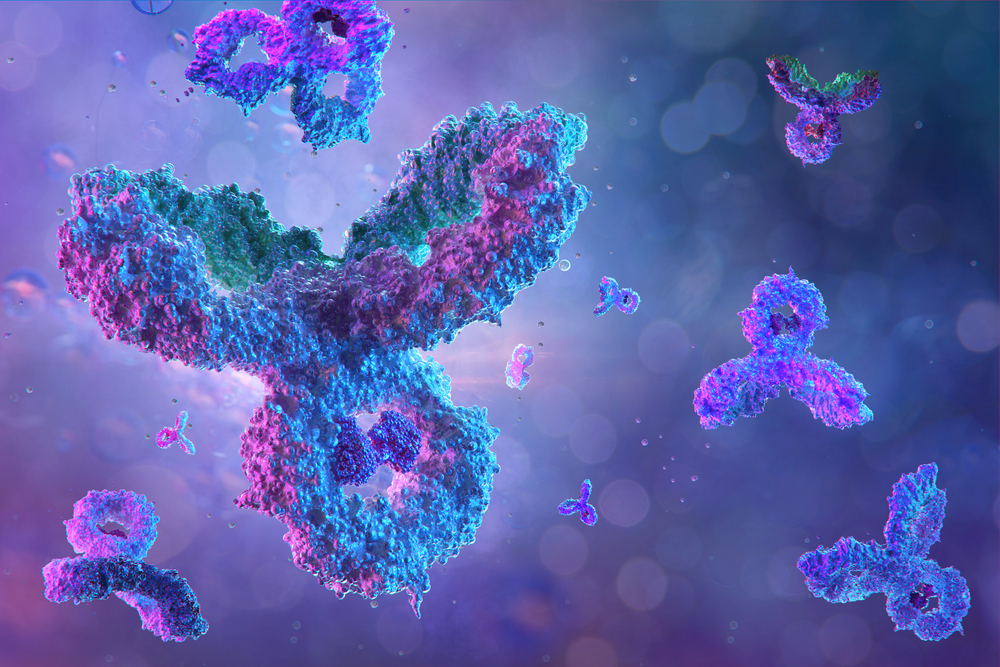
Antibody-Drug Conjugates (ADCs) are revolutionizing targeted therapies. By combining the specificity of a monoclonal antibody with the potency of a cytotoxic drug, they offer highly targeted treatments. However, this hybrid nature makes ADC analysis exceptionally complex. To help biopharmaceutical companies navigate these analytical challenges, the experts at FILAB Laboratory answer your key questions. ADC Analysis:

ADC Analysis: key questions & answers from FILAB Laboratory Read More »

What is HPAPI?

In a pharmaceutical industry constantly striving for innovation, one category of substances is gaining prominence: HPAPIs (Highly Potent Active Pharmaceutical Ingredients). Primarily used in the treatment of serious illnesses such as cancer and autoimmune diseases, these compounds are redefining manufacturing and analytical standards. But what truly characterizes an HPAPI, and what challenges are associated with

What is HPAPI? Read More »

Charpy impact test VS izod impact test: which one should you choose?

Charpy VS Izod: understanding the differences in Impact Testing In industrial applications, evaluating how a material responds to sudden mechanical stress is a key aspect of performance assessment. This is particularly important for sectors such as automotive, aerospace and medical devices, where resistance to impact is a critical property. This property is known as toughness.

Charpy impact test VS izod impact test: which one should you choose? Read More »

Material characterization: what are we talking about?

In an industry constantly striving for performance and sustainability, material characterization is much more than simple material inspection. For the FILAB laboratory teams, it involves deciphering the DNA of materials to anticipate their behavior, validate their conformity, or diagnose a failure. By combining methodological precision and cutting-edge expertise, we cultivate “the art of making matter

Material characterization: what are we talking about? Read More »

Quantification by XRD: Rietveld, RIR and amorphous phase, what are the differences?

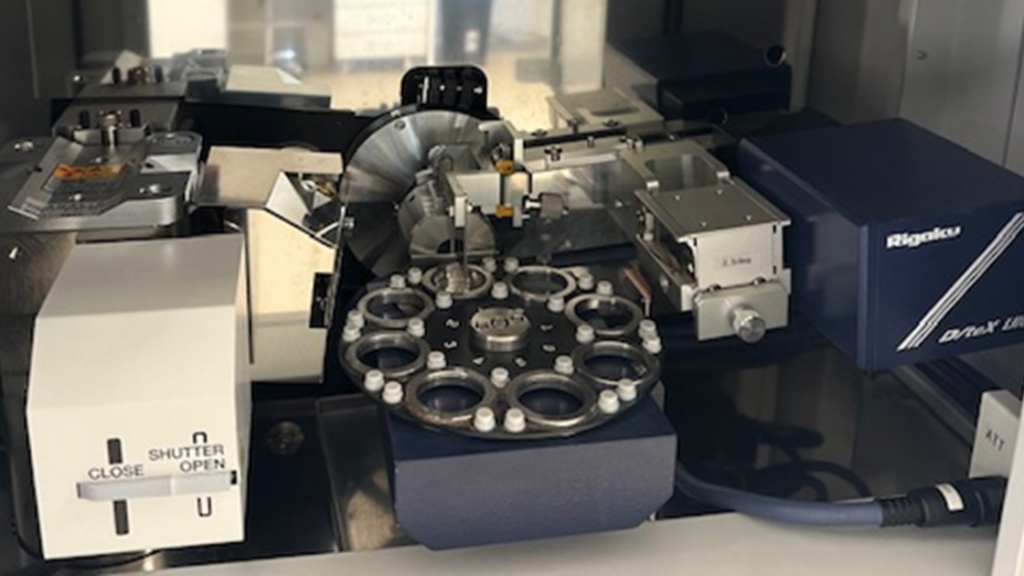
X-ray diffraction (XRD) is much more than a phase identification tool. In many sectors (pharmaceutical, cement, or energy), the question is not only to know the chemical composition of the sample but also the quantity of components present. However, when faced with a diffractogram, several quantification methods are available to the FILAB laboratory. Rietveld method,

Quantification by XRD: Rietveld, RIR and amorphous phase, what are the differences? Read More »

Understanding a marking problem on biopolymer packaging

Case study Understanding a marking problem on biopolymer packaging One of our clients specializing in cosmetics encountered a marking problem on one of their biopolymer packages. Accueil • Blog • Understanding a marking problem on biopolymer packaging The problem? A Cosmetics manufacturer is updating one of its product lines, specifically its packaging, which it now

Understanding a marking problem on biopolymer packaging Read More »